

Choose a Grand Cherokee L when the third row solves a real passenger or loading need; compare a two-row Grand Cherokee when your normal routine does not require that extra seating arrangement. Test the specific vehicles with your passengers and cargo rather than assuming that the longer configuration is automatically better.
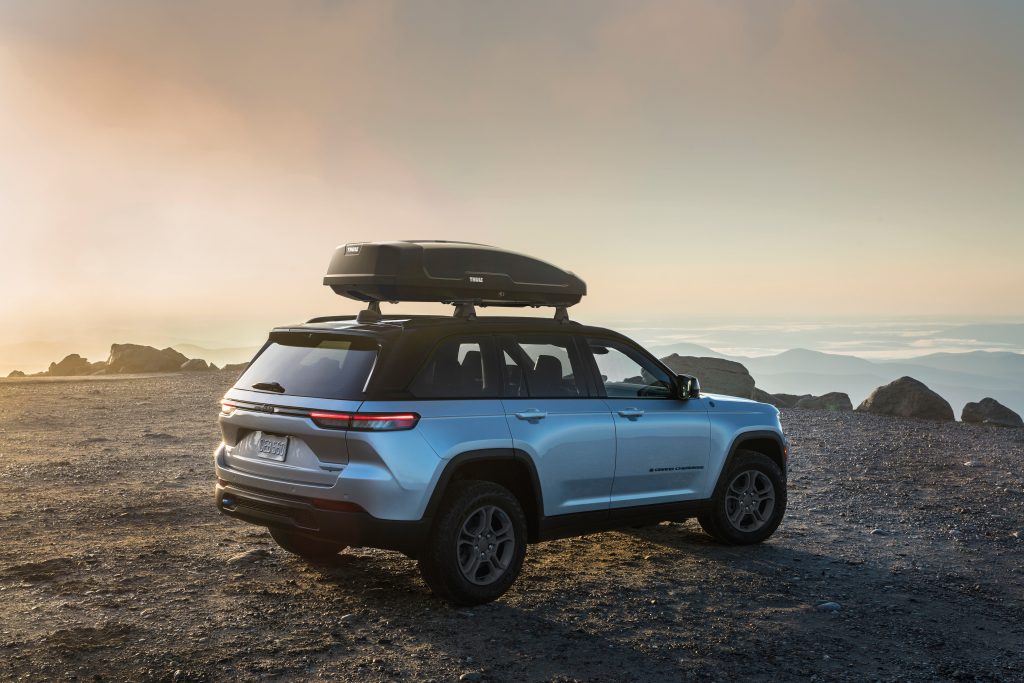
Jeep's 2026 Grand Cherokee L information identifies the L as the three-row configuration, with second-row seating choices and available seating for up to seven. It also distinguishes cargo space with all seats up from space created by folding rows. Verify the actual year and seat layout of any new or used vehicle you select. Review Jeep's Grand Cherokee L information.
Decide how often the extra seats will be occupied
Write down the normal passenger count and the occasions that increase it. A third row used every school day deserves a different access test from one intended for a few holiday trips. Include the size and comfort needs of adults who may ride in the back.
Do not count a passenger position that must be folded to carry the luggage for that same trip. Our recommended test is simple: place everyone in the seats they would actually use, then see whether the expected cargo still has a suitable place.
Try entry and exit with your real seating arrangement
Set the front seats normally and check the second row before evaluating third-row access. Test the opening, handles and step-in effort while safely parked. Ask the seller to demonstrate seat-release functions according to the owner's manual.
If child restraints are involved, check both the restraint instructions and the vehicle manual. Verify usable seating positions and access with the restraints installed. NHTSA's guidance is a useful starting point; a convenient-looking arrangement is not a substitute for a proper fit.
Compare cargo in the correct configuration
Bring a stroller, sports bag, folded carrier or empty containers representing everyday loads. Compare the two-row vehicle with its normal seats in use and the L with the seats your passengers require upright. Then repeat with any genuinely unneeded seats folded.
Measure the opening as well as the floor. Check how the liftgate closes and whether your usual load can be secured without blocking essential access. A maximum-cargo number should not replace a test of the particular objects your household carries.

Make the parking comparison part of the visit
Record garage depth, doorway width and the space needed to open the liftgate and walk around a parked SUV. Check the complete vehicle's dimensions and any installed accessories. Do not assume that a vehicle will fit simply because your previous SUV did.
On an agreed route, evaluate visibility and ordinary maneuvering. Try the camera and parking features actually installed on the vehicle, but keep the driver's responsibility and the physical space requirements central to the comparison.
Separate seating from trim and technology
List must-have features independently of the body configuration. Different seats, wheel packages and convenience options can influence how two test vehicles feel. Confirm each desired feature on the actual stock number rather than borrowing it from a higher trim shown on a manufacturer page.
Ask about any subscription, accessory or other condition associated with a feature you plan to use. Pair your phone and try the main controls while parked. A larger screen does not tell you whether the interface works comfortably for your daily routine.
Compare new and used choices without mixing model years
Browse Grand Cherokee inventory and used three-row SUVs. The model family spans different years and equipment combinations. Confirm whether each listing is a two-row Grand Cherokee or the L and request interior photos.
For a used candidate, add inspection findings, service information and the operation of all seat mechanisms to the worksheet. Do not let an attractive seat count outweigh unresolved condition questions.
Frequently asked questions
Does the Grand Cherokee name always mean three rows?
No. Confirm the actual configuration. Jeep identifies the Grand Cherokee L as its three-row arrangement; abbreviated listings should be checked before visiting.
Is the L useful even when I rarely carry extra passengers?
It may be, depending on your cargo and layout preferences. Compare the specific vehicles, parking requirements and purchase proposals rather than buying unused capacity by default.
What should I request before a test drive?
Send our Pauls Valley team your passenger count, preferred layout and selected stock numbers. Ask for confirmation of seating, equipment, location and availability so you can make an informed comparison.
Reference date: October 10, 2026. General buying guidance. Confirm the applicable model year, specifications and equipment before purchase. Inventory may include other group locations.
