

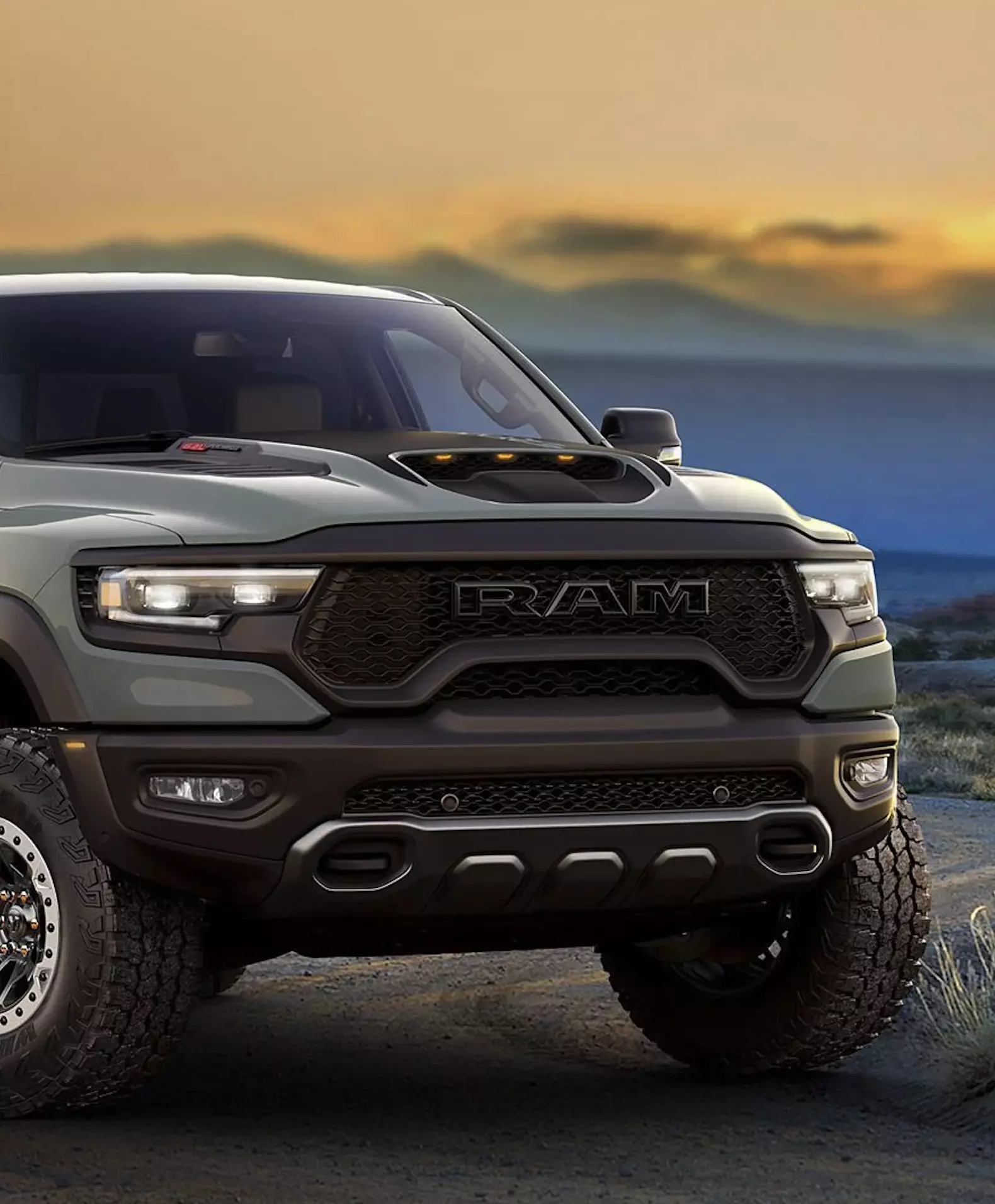
Leasing and buying solve different ownership needs. For a Ram truck, start with annual mileage, job-site use, planned modifications and how long you expect to keep it. A lower monthly payment is not enough information to decide, especially when the truck earns its keep at work.
This is a comparison framework, not a current lease offer or an approval promise. Vehicle eligibility, mileage allowances, business use, modifications and purchase options depend on the actual agreement. Ask Seth Wadley CDJR in Pauls Valley for written terms for the specific truck under consideration.
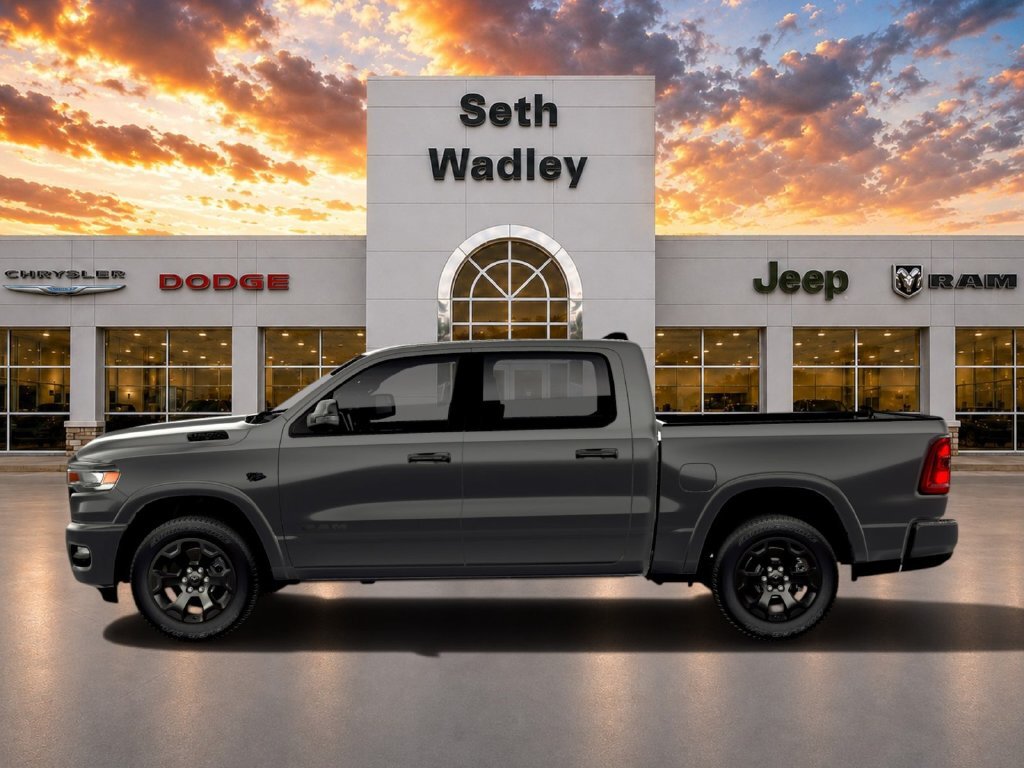
Understand what the payments buy
When you finance a purchase, you repay the amount borrowed plus the applicable finance charges and retain the vehicle after the obligation is paid. During the loan, the lender generally holds a security interest. With a lease, you pay for use during a defined period, including expected depreciation, rent charges and applicable costs; a purchase at the end depends on the agreement's option.
The CFPB's lease-versus-buy explanation highlights mileage, wear, early termination and end-of-term obligations. Returning a leased vehicle early is not the same as ending the financial obligation.
Make your mileage estimate realistic
Count commuting, job-site trips, weekends and longer travel. Compare the entire lease-term allowance with that expected use. Ask how excess mileage is charged, whether a different allowance is available before signing and how an early return affects the calculation.
A purchase loan does not normally create a lease-style excess-mileage charge, but additional mileage can affect resale value, maintenance and warranty expiration. Buying is not a way to make mileage free; it changes who bears those consequences.
Discuss work use before selecting a lease
Describe tools, trailer use, employees who may drive, commercial registration needs and the environment in which the truck will operate. Ask whether the proposed agreement permits that use and what insurance is required. Do not assume every retail lease permits every business activity.
Inspect the wear standards before signing. Repeated loading, bed damage, torn upholstery, wheel damage and missing equipment can become relevant at return. A buyer planning heavy, unpredictable use should evaluate those obligations alongside a purchase quote, not discover them at the end.
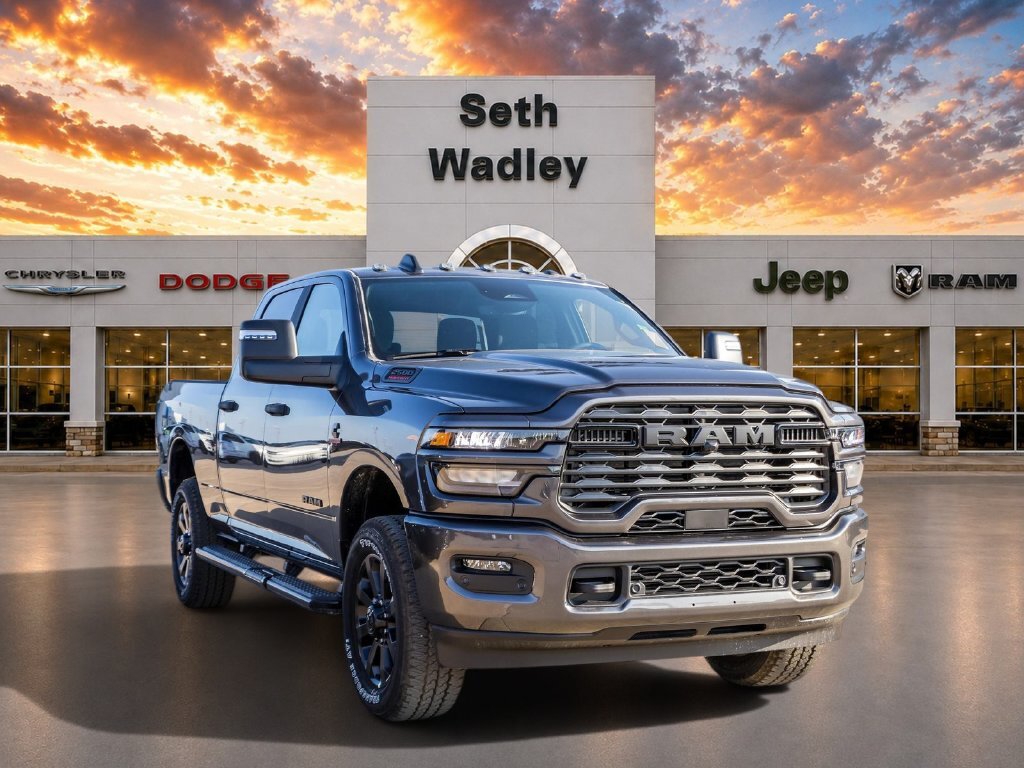
Put modifications in writing
Ask about a lift, wheels, a service body, graphics, accessories or performance changes before installing them. Determine whether consent is required and whether equipment must be removed or the truck returned to a specified condition. A dealer's ability to sell a modified truck does not establish that a particular lessor accepts it.
For a financed purchase, check lender, insurance and warranty implications too. Keep factory and upfitter coverage separate. Our lifted-Ram documentation guide explains why build records matter regardless of how the truck is paid for.
Compare the same ownership window
For leasing, list cash due at signing, scheduled payments, applicable taxes and fees, expected return charges and any planned purchase-option cost. Identify which first payment or fee is already included so it is not counted twice. For buying, list cash down, scheduled payments, outstanding payoff at the comparison date and a clearly labeled resale-value estimate.
A fair comparison does not count all purchase payments as a loss while ignoring the vehicle's remaining value, nor does it treat an uncertain resale estimate as guaranteed money. Compare several resale scenarios and include insurance, service and any necessary accessories.
Is leasing always cheaper?
No. A payment can be lower while restrictions, upfront costs or an early exit make the overall fit worse.
Can I buy the truck at lease end?
Check the written purchase option, price calculation and fees. Do not assume every contract has identical terms.
Can this guide determine the best tax treatment for my business?
No. Business deductions depend on facts beyond this comparison. Review the actual agreement and planned use with your tax adviser rather than relying on a universal write-off claim.
Browse Ram 1500, Ram HD or used Ram inventory. Request comparable written lease and purchase terms where available. Reviewed October 10, 2026.
