

Choose a stock or modified used Wrangler by comparing the vehicle you would actually own after any planned work is complete. A stock-looking example may provide a different starting point, while an already modified vehicle may include equipment you want. Neither deserves an automatic condition or value advantage without evidence.
Before reviewing used inventory, write down your intended use: daily transportation, family trips, recreational outings or a combination. Separate equipment you genuinely need from changes you simply like. This keeps the purchase from becoming a collection of unrelated accessories.
Establish the current configuration
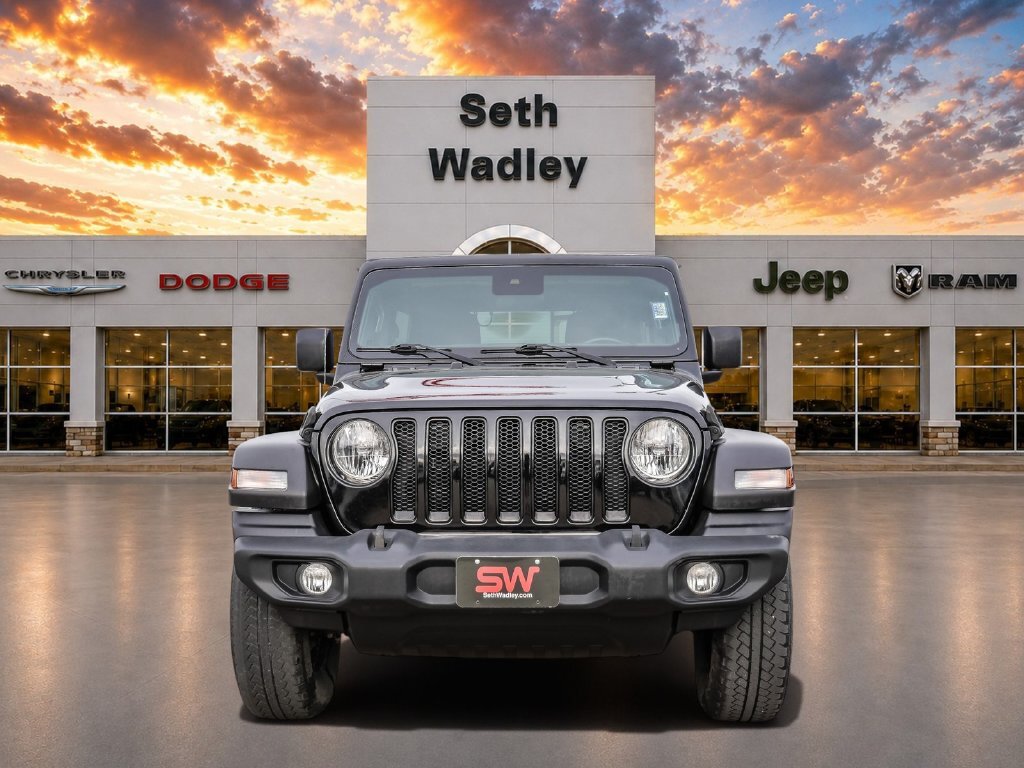
Record the year, body configuration, engine, transmission and original trim. Ask what has been changed and request documentation where available. Do not assume that a vehicle is unmodified merely because the most obvious aftermarket parts are absent.
Use the correct manual through Mopar's owner-information portal to understand the original equipment and operating instructions. The manual is a reference for that vehicle, not documentation of later modifications.
Compare two completed plans
For the stock candidate, list the work you would actually perform, who would do it and the estimated installed cost. For the modified candidate, identify which existing parts fit your plans and which you would need to replace or remove.
Do not give every accessory its original retail cost as added value. A part that does not suit your intended use may create work rather than solve a need. Likewise, returning a modified Wrangler to another configuration should not be assumed simple or inexpensive without an actual proposal.
Ask for documentation of the important changes
Review available invoices and component information for suspension, wheels, tires, bumpers, lighting, wiring and other alterations. Ask about any required calibration or alignment work and the instructions that accompany the installed equipment.
Keep documented installation separate from a seller's recollection. Missing paperwork does not automatically prove poor workmanship, but it leaves questions for a qualified inspector. Identify who can service or support the actual parts after purchase.
Give the inspection a modification-specific scope
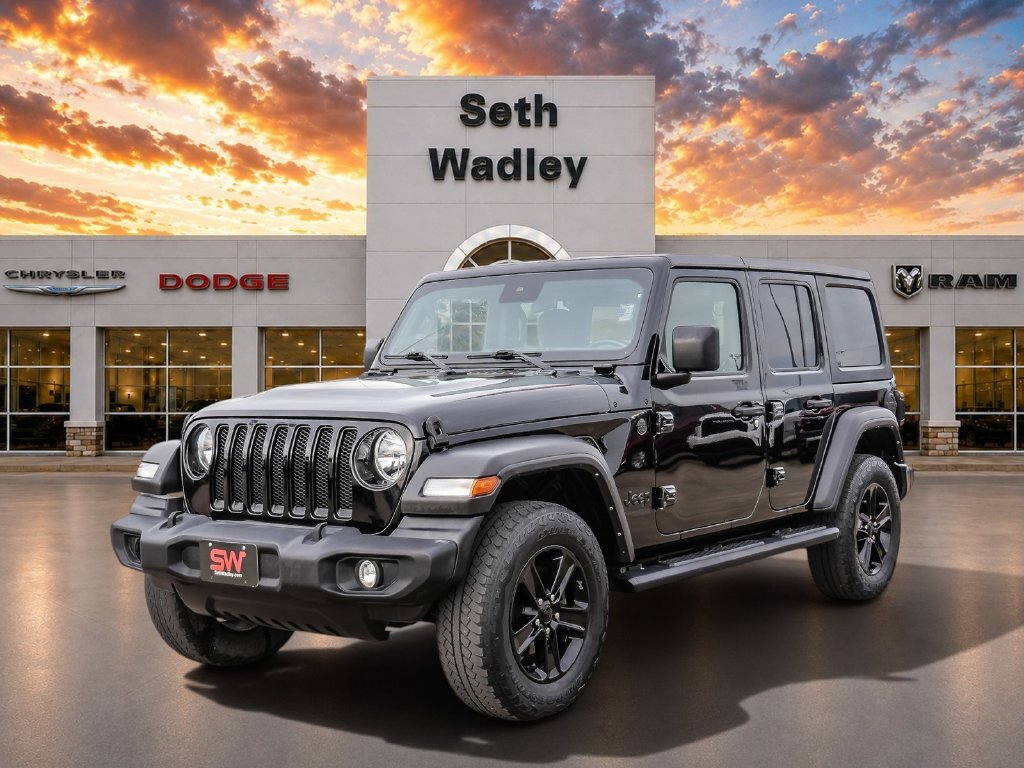
Ask a qualified inspector to evaluate the vehicle's condition and the compatibility and condition of relevant changes. Include steering, suspension, brakes, tires, mounting and visible wiring concerns as appropriate. Do not crawl under an unsupported vehicle or try to recreate a demanding off-road situation as a test.
Request written findings distinguishing urgent concerns, routine service and unresolved questions. The FTC recommends independent inspection rather than relying on a history report or sales description alone. Review its used-vehicle guidance.
Test normal driving before planning the next modification
On an agreed road test, evaluate comfort, noise, visibility, steering and everyday access. Check the installed roof and seat arrangement. Compare how the vehicle works for the majority of your driving, not just the activity you might do a few weekends each year.
Ask for unusual behavior to be evaluated. A modification label should not be used to dismiss a problem, and an attractive factory appearance should not excuse skipping the same condition checks.
Plan tires, storage and included equipment
Confirm the installed tire and spare arrangement and ask about appropriate replacements. Identify roof panels, storage bags, wheel-lock tools and other items represented in the sale. Put important included items in writing.
Our Wrangler roof-package guide provides a separate checklist for roof components. Check each accessory's application rather than assuming parts from another Wrangler fit.
Questions buyers ask
Is a modified Wrangler always less reliable?
That conclusion cannot be made from the word “modified.” Evaluate the actual changes, workmanship, documentation, maintenance and inspection findings.
Is buying stock always cheaper?
Compare the complete plan, including any work and parts you intend to add. Avoid assuming either route wins before obtaining actual quotes.
Can I compare with a new Wrangler?
Yes. Browse new Wrangler inventory alongside used candidates, keeping year, equipment and condition differences clear. Contact our Pauls Valley team with your intended use and stock numbers to confirm current choices and inspection arrangements.
Reference date: October 10, 2026. General buying guidance, not a mechanical inspection, engineering recommendation or individual towing approval. Follow applicable manufacturer and upfitter instructions. Inventory may include other group locations.
