

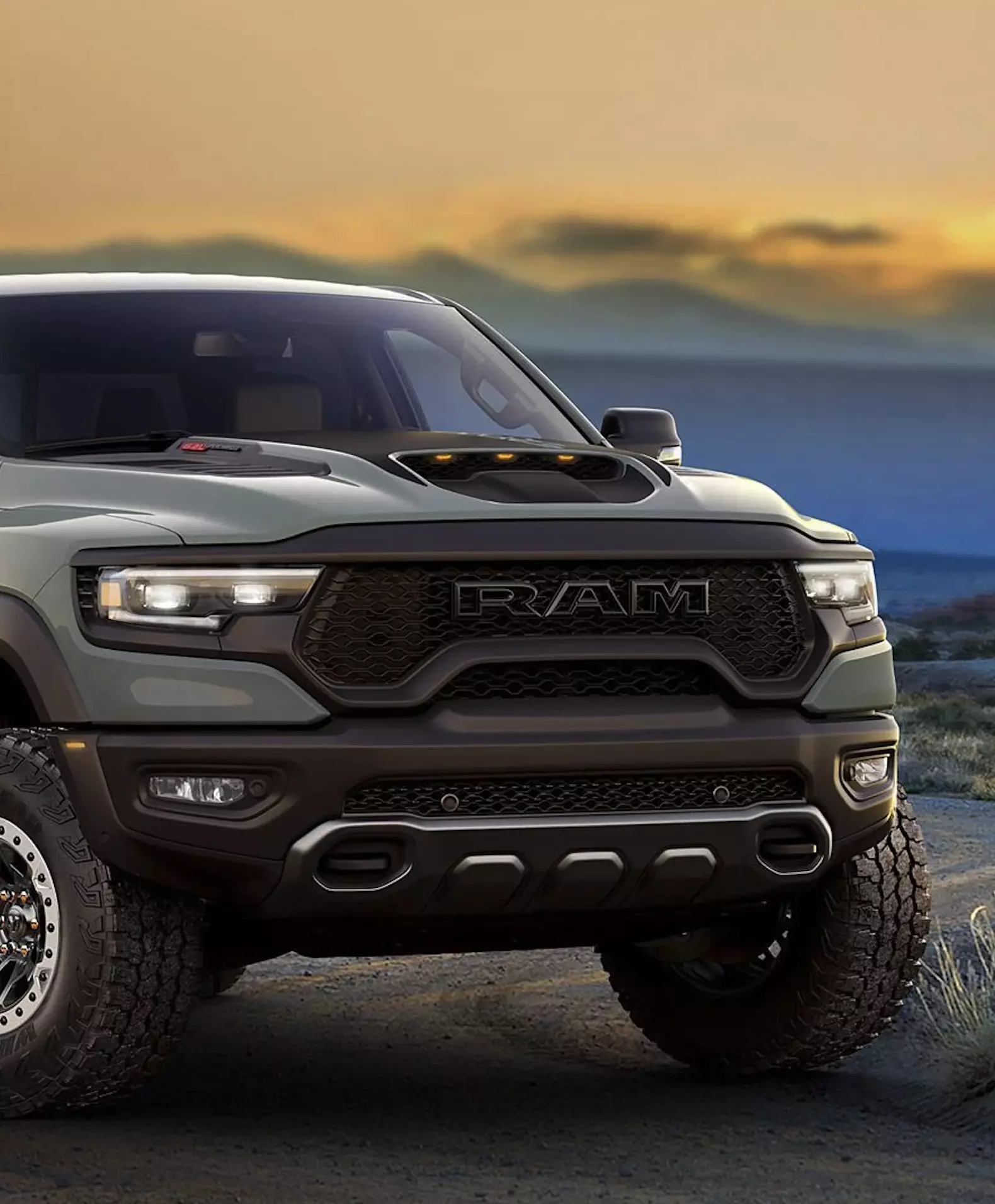
Compare a Ram 4500 and 5500 by the completed vehicle you need, not just by the model number or a maximum towing claim. Start with the body, crew, equipment and working load. Then have the dealership, body supplier and qualified installer evaluate suitable chassis configurations.
Ram's current chassis-cab information presents 3500, 4500 and 5500 models with configuration-dependent capability and upfit features. Its headline figures are maximum available ratings, not specifications for every truck. Review Ram's chassis-cab information.
Write down the body before choosing the chassis
Identify the intended application and the body's dimensions, weight and installation requirements. Include a liftgate, rack, crane or other mounted equipment where relevant. Ask the body supplier which chassis details are necessary to establish compatibility.
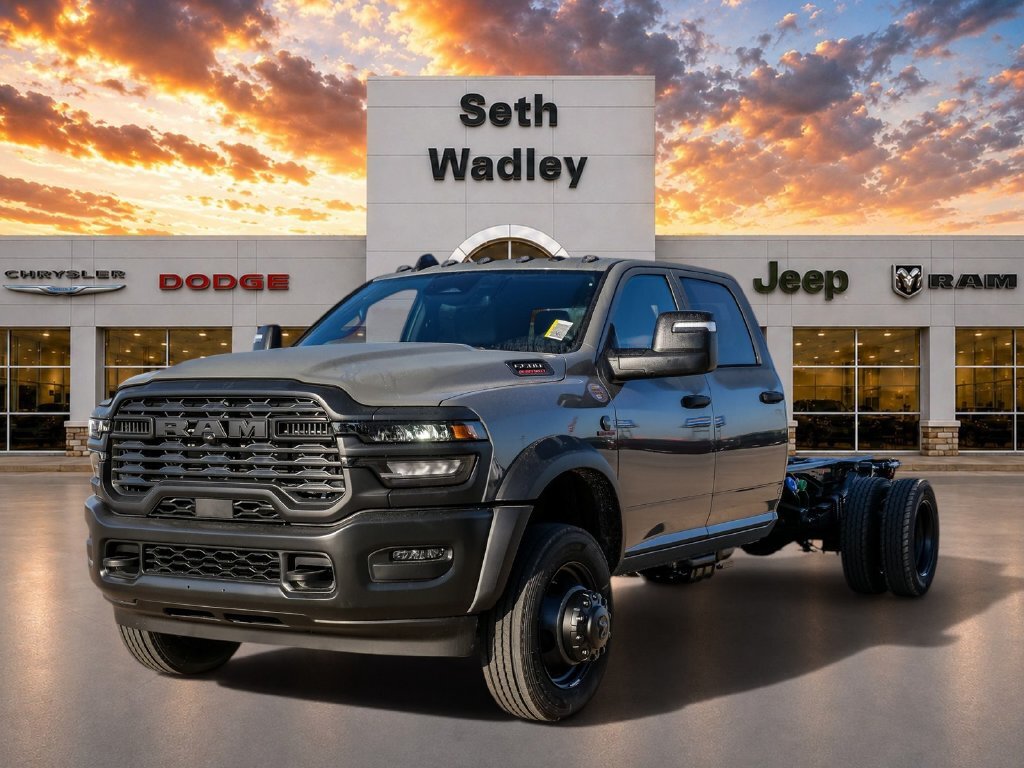
A base vehicle can be available immediately yet still need substantial completion work. Confirm whether a listing represents an empty chassis, an installed body or a specific ready-equipped configuration. Do not treat those as equivalent purchase proposals.
Build a realistic working-load worksheet
Record the body and permanent equipment, occupants, carried materials and any trailer's load on the truck. Keep empty-vehicle weight distinct from the items added for the job. Have a qualified provider reconcile the applicable definitions so nothing is omitted or counted twice.
For illustration only, suppose a proposed body and permanent equipment total 4,400 pounds, occupants total 400 pounds and daily materials total 1,800 pounds. Those items alone add to 6,600 pounds. That arithmetic does not establish the capacity of a Ram 4500, a Ram 5500 or the vehicle pictured here; the actual chassis, axle, tire and other applicable limits still need to be checked.
Match the dimensions to the installation
Confirm the cab, wheelbase, cab-to-axle requirement and mounting details that apply to the body. Identify any needed power or control interfaces with the installer. Do not assume a feature advertised as available is fitted to a particular stock number.
Ask the supplier to document compatibility with the exact vehicle and the proposed equipment. A difference that appears minor on a listing can matter to the installation. Resolving those details before purchase is more useful than discovering them after parts arrive.
Compare the actual 4500 and 5500 candidates
Use one sheet for each vehicle with stock number, configuration, verified ratings, body compatibility, required completion work and itemized price. Ask which candidate meets the workload and why. If both qualify, compare the complete ownership and installation proposals instead of selecting from the larger number alone.
If neither qualifies, change the proposed configuration or application rather than stretching an advertised limit. The body installer and vehicle specialists should resolve the finished setup using the applicable manufacturer information.
Check the places the truck must work
Measure yard entrances, loading areas, storage space and the room needed for body operation. Consider the cab occupants, visibility and access around compartments or mounted equipment. Review the intended use with the appropriate insurance and business advisers rather than assuming a truck category determines every operating requirement.
When towing, bring complete trailer information and confirm the hitch and completed-vehicle match. A heavy-duty chassis label does not eliminate the need to check the actual setup.
Clarify the completion and handoff plan
Request an itemized scope stating what is installed, what remains to be done, who coordinates the work and the expected timing. Identify the documentation and operating instructions to be delivered with the completed vehicle.
Ask who handles a concern involving the chassis versus the body and what written terms apply. Keep estimates and tentative dates distinct from firm commitments. Do not assume an online inventory listing includes every component needed for your business.
Common chassis-cab questions
Is the 5500 automatically the right choice over the 4500?
No. Have the specific candidates evaluated against the completed workload and body requirements. Then compare cost, configuration and practical fit.
Does a chassis-cab photo show a work-ready truck?
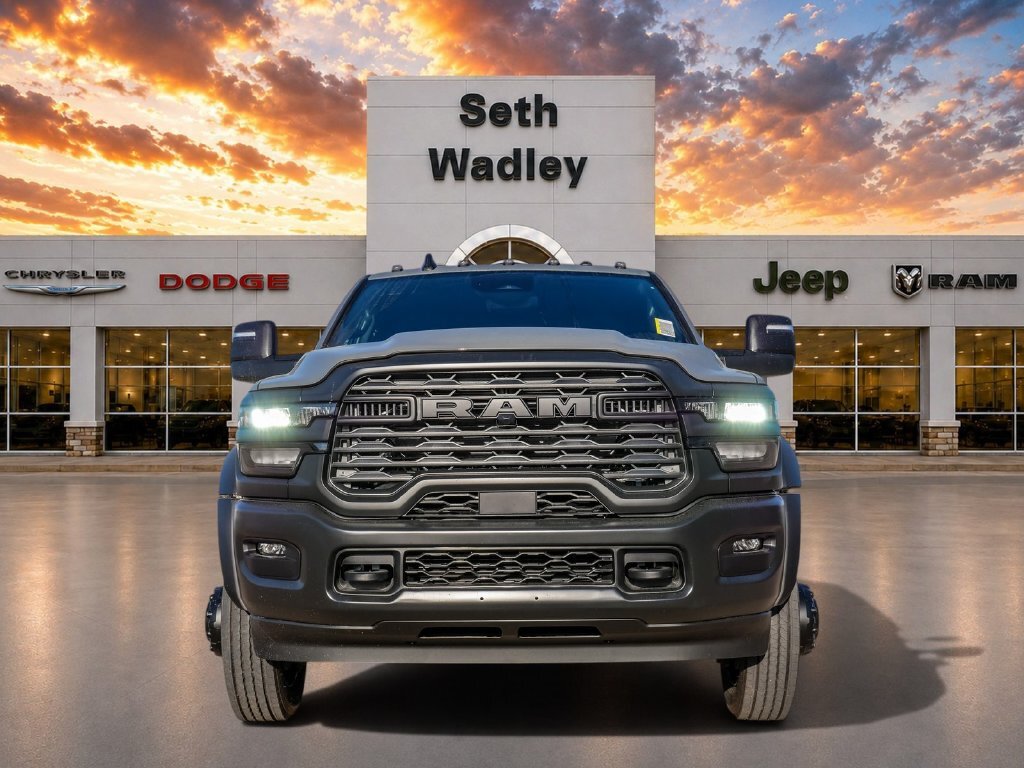
Not necessarily. The reference photos here show a chassis-cab example. Ask what body and equipment, if any, are included in the actual listing.
Where can I start a comparison?
Browse Ram 4500, Ram 5500 and commercial inventory. Send our Pauls Valley team the body specifications, crew count and workload for a focused discussion.
Reference date: October 10, 2026. General buying guidance, not a mechanical inspection, engineering recommendation or individual towing approval. Follow applicable manufacturer and upfitter instructions. Inventory may include other group locations.
