

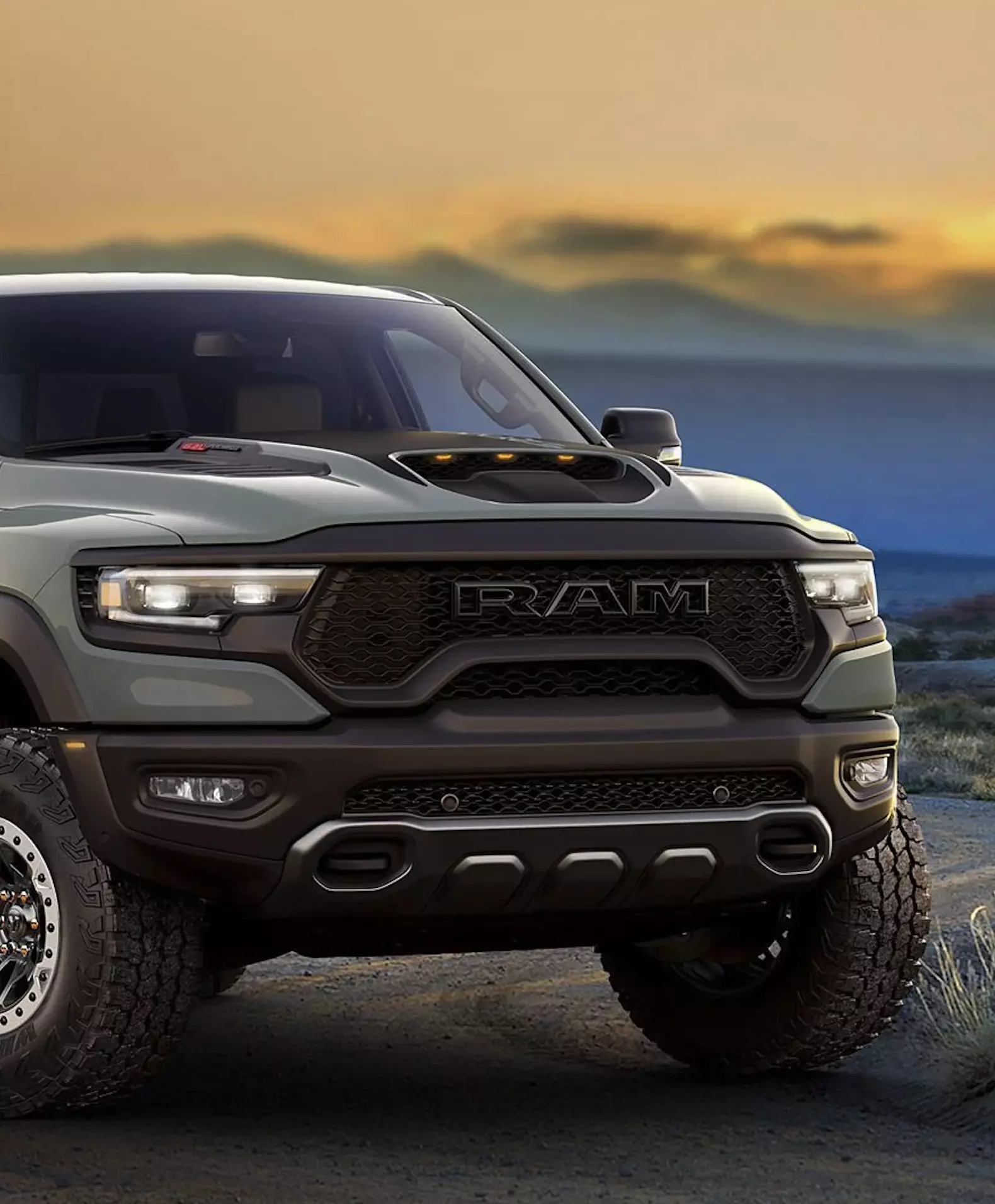
Evaluate a used Ram 2500 diesel as an individual truck: verify its configuration, review maintenance information and get a qualified inspection before making the purchase decision. A diesel badge, a low odometer reading or a clean exterior cannot answer all the condition questions that matter.
Start with a few candidates from used Ram 2500 inventory. Request the VIN, model year, engine information, current mileage and any available service records. This checklist identifies questions for your inspection; it is not a diagnosis or a claim about the condition of a truck pictured here.
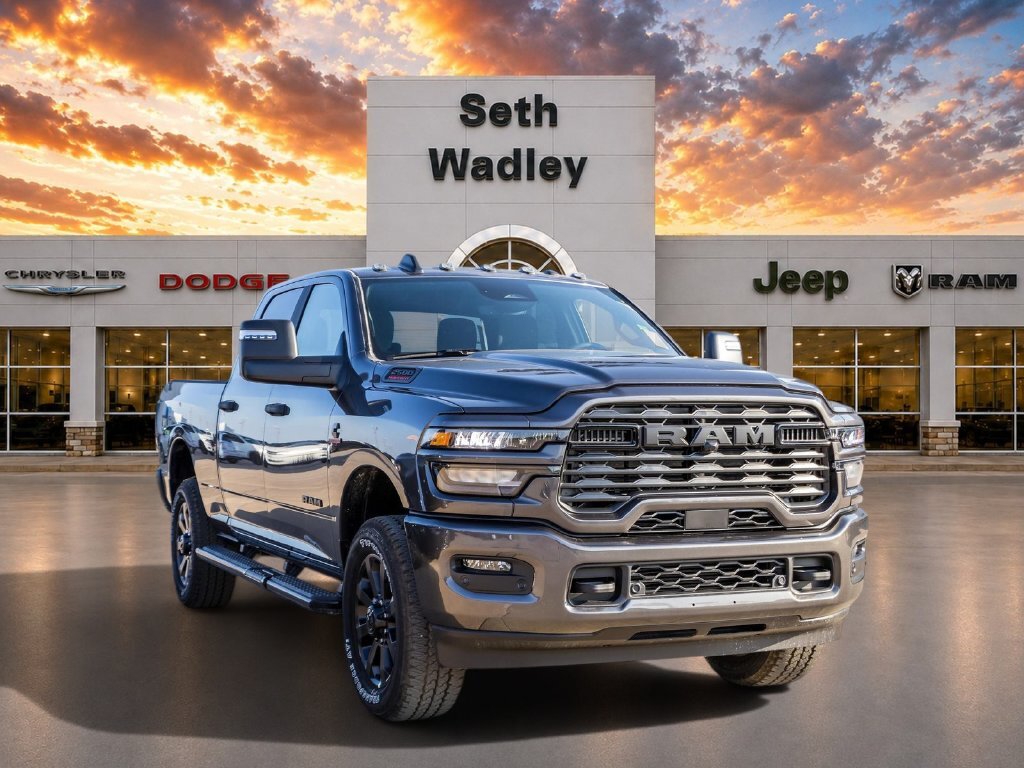
Confirm which truck and powertrain you are evaluating
Record the VIN, cab, bed, drivetrain and installed equipment. Match those details to the listing and paperwork. Different model years or configurations should not be treated as mechanically identical simply because both are labeled Ram 2500 diesel.
Find the correct vehicle manual through Mopar's owner-information portal. Ask the service department to identify the maintenance and operating instructions applicable to that exact year and engine.
Turn service records into a timeline
Organize available records by date and mileage, including documented repairs and scheduled services. Where a verified hour reading is available, record it without applying a universal miles-per-hour wear formula. Keep original records separate from undocumented statements about prior maintenance.
Ask which services are due now and which would be expected during your planned ownership period. Missing records are an information gap to investigate; they are not proof that work either was or was not performed.
Give the diesel inspector a written scope
Ask a qualified technician to assess the engine, cooling, starting and charging systems, transmission, drivetrain and other relevant systems using appropriate procedures. Share any warning messages or behavior you noticed. Request written findings rather than relying only on a general statement that the vehicle “runs well.”
Ask for the applicable exhaust and emissions equipment to be identified and evaluated, especially if the truck has been modified. Do not accept a claim that an unexplained warning or removed component is automatically harmless. Have questions resolved before purchase; do not perform improvised tests or alterations yourself.
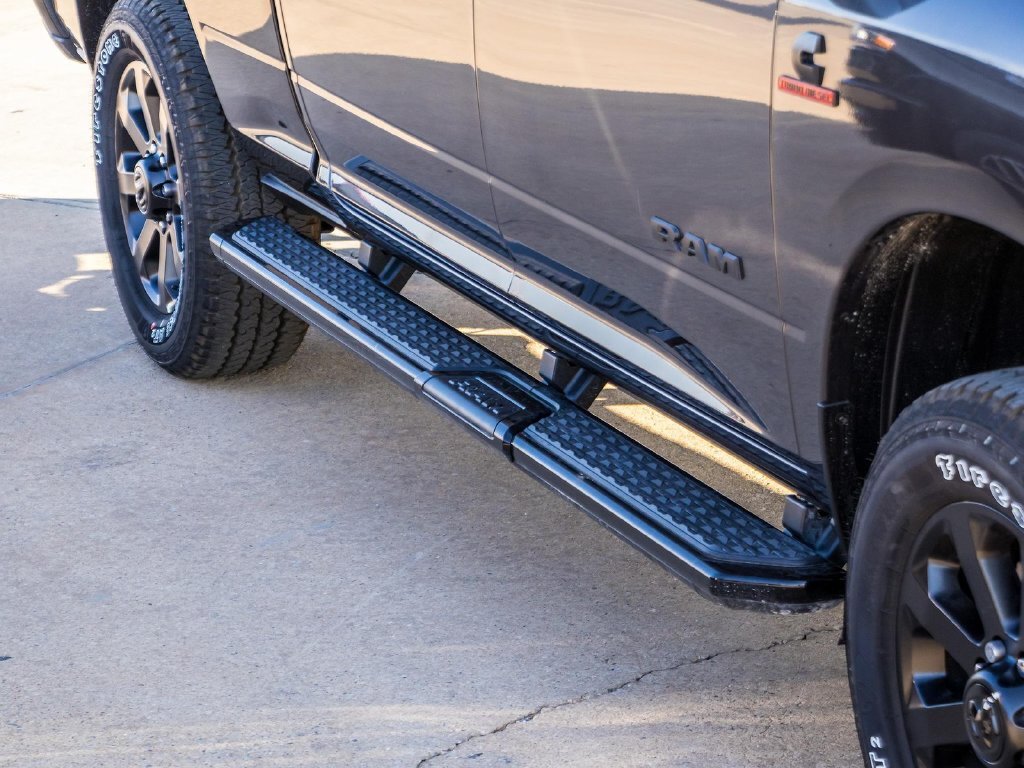
Inspect the rest of the work truck
Include brakes, tires, steering, suspension, structure and hitch equipment in the condition review. Look at the bed and any permanent accessories, but have visible wear or damage interpreted professionally. Ask whether the installed components are appropriate for the configuration and your intended use.
Check the spare arrangement, wheel-lock tools, keys and other items that should accompany the vehicle. If a toolbox, hitch or other accessory influenced your choice, obtain written confirmation that it is included.
Review modifications and previous use without guessing
Request documentation for any known tuning, suspension changes, wheel-and-tire changes or added work equipment. Identify who performed the work and what instructions accompany it. An appearance change does not establish a higher towing or payload rating.
Ask about known previous use, but keep that answer distinct from inspection evidence. A truck's history can be useful context; it should not replace evaluating the vehicle that is actually in front of you.
Check the load match and the complete purchase proposition
Bring your loaded trailer information, normal passenger count and equipment list. Have the specific truck's applicable ratings reviewed for that workload. Do not use another Ram 2500's advertised maximum to approve your setup.
Request an itemized purchase quote and estimates for any work the inspection identifies. Compare a used candidate with a suitable new Ram 2500 only after accounting for differences in equipment, condition and terms. The FTC recommends independent inspection and cautions that vehicle-history reports do not replace it. Read its used-vehicle guidance.
Common used-diesel questions
Is there one mileage limit that makes every used diesel a bad buy?
No single cutoff answers the condition question. Evaluate the actual records, inspection, configuration and workload instead of treating mileage as a warranty.
Should I check recalls as well?
Yes. Use the VIN at NHTSA's recall lookup and discuss relevant findings with the dealership. That search does not replace a mechanical inspection.
What should I request before driving to Pauls Valley?
Send us your chosen stock numbers and ask for current photos, available records, location and inspection arrangements. Clear questions make a more productive visit.
Reference date: October 10, 2026. General shopping guidance, not a mechanical inspection or a statement of transaction terms. Confirm current vehicle details and applicable instructions. Inventory may include other group locations.
