

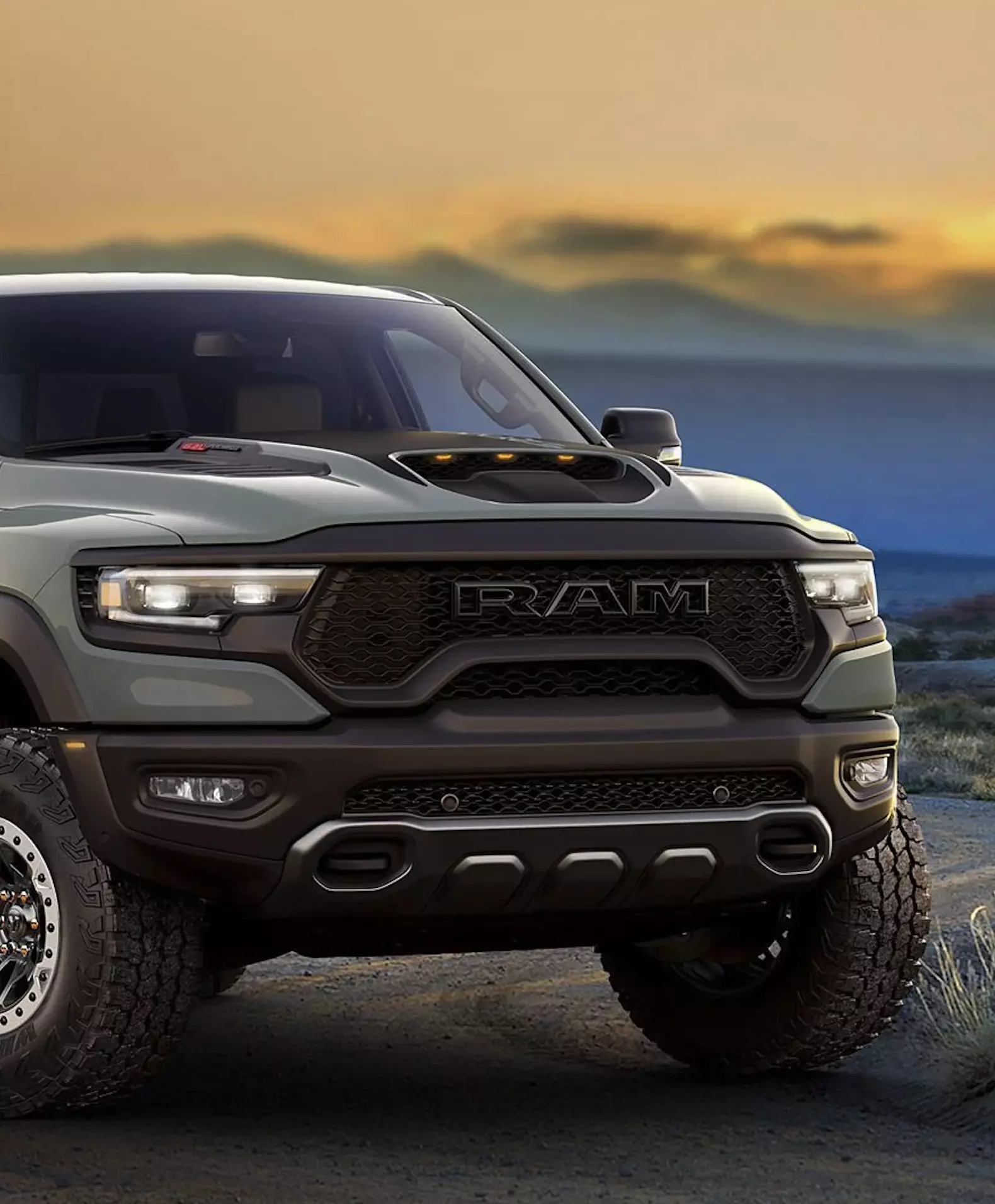
Choose a landscaping crew truck only after listing the people, equipment, materials and trailer loads it needs to carry. A mower trailer's advertised weight or a truck's model badge is not a complete specification for a working day. The finished combination should fit both its loaded requirements and its repeated stops.
This guide is intended for Oklahoma and South Texas businesses comparing pickups, chassis cabs and upfitted work trucks. Seth Wadley CDJR is in Pauls Valley, Oklahoma. It provides a purchasing worksheet, not a promise that a particular landscaping package is currently installed or available.
Separate the crew, truck load and trailer load
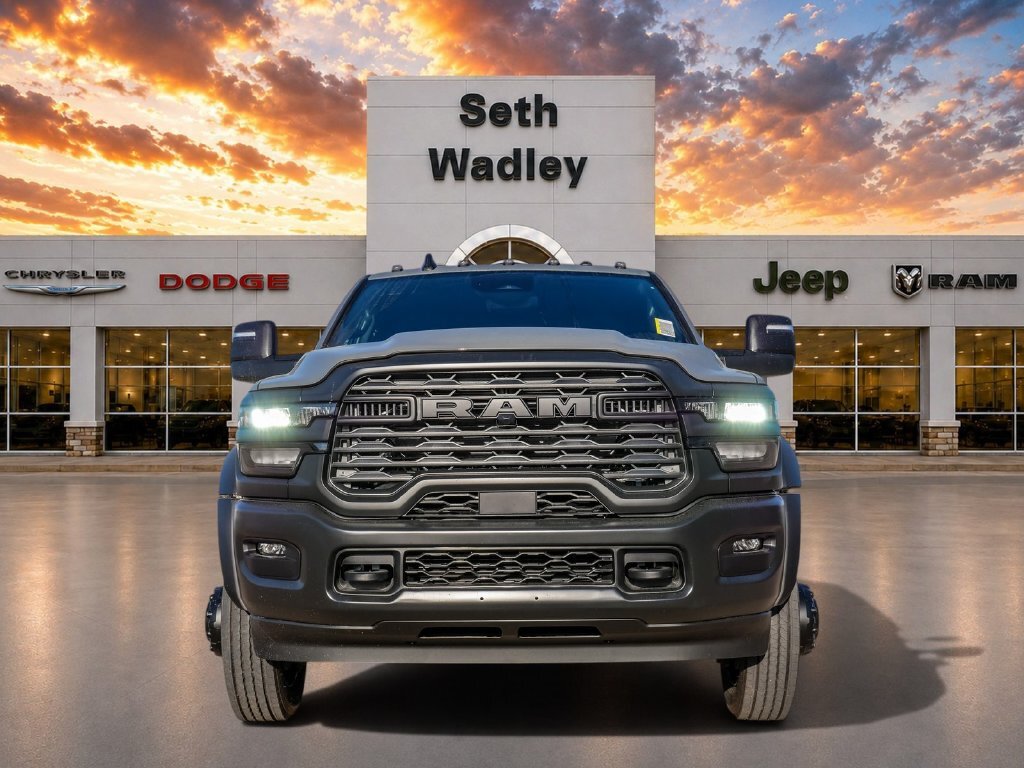
Count the people who actually ride together and the seats needed for them. List permanently carried tools, then materials that change by job. Include the racks, boxes and other installed equipment in the appropriate part of the weight calculation without counting them twice.
Build a separate trailer list containing the trailer itself and the mowers and other equipment carried on it. Use loaded-weight information rather than an empty-trailer figure. Changes in equipment between routes should be visible in the comparison, not hidden behind the phrase “usual trailer.”
Choose where tools need to be accessed
Think through a typical stop. Which items come out first, which need secure storage, and which must remain accessible without unloading other equipment? A bed, service body and platform body support different loading patterns.
Knapheide's service-body lineup illustrates compartment-based storage, while its platform-body information shows other loading and side options. Confirm the actual body dimensions, capacities and included accessories instead of assuming a generic layout will fit your tools.
Check the trailer and truck together
Identify connection type, braking equipment and the requirements of the complete loaded combination. Ask for the candidate truck's applicable ratings and documented equipment. Ram's towing information is a starting point for research, not approval for every truck and trailer carrying the same model names.
Include the trailer load carried by the truck, plus the crew and tools aboard. Ask a qualified upfitter or other appropriate professional to review missing details. Any licensing, operational or transport requirements should be checked for the actual business and route rather than inferred from this general guide.
Evaluate route practicality
Measure the entrances, storage spaces and other access restrictions you routinely encounter. Consider the complete truck-and-trailer length and where equipment can be unloaded lawfully and safely. A vehicle that handles an exceptional large load but makes every ordinary stop difficult may be the wrong starting point.
Ask the intended driver to participate in the comparison. Visibility, seat adjustment, entry and access to frequently used equipment affect daily work. Do not send a crew on a demanding route merely to test whether a prospective truck will cope.
Compare complete quotes and working readiness
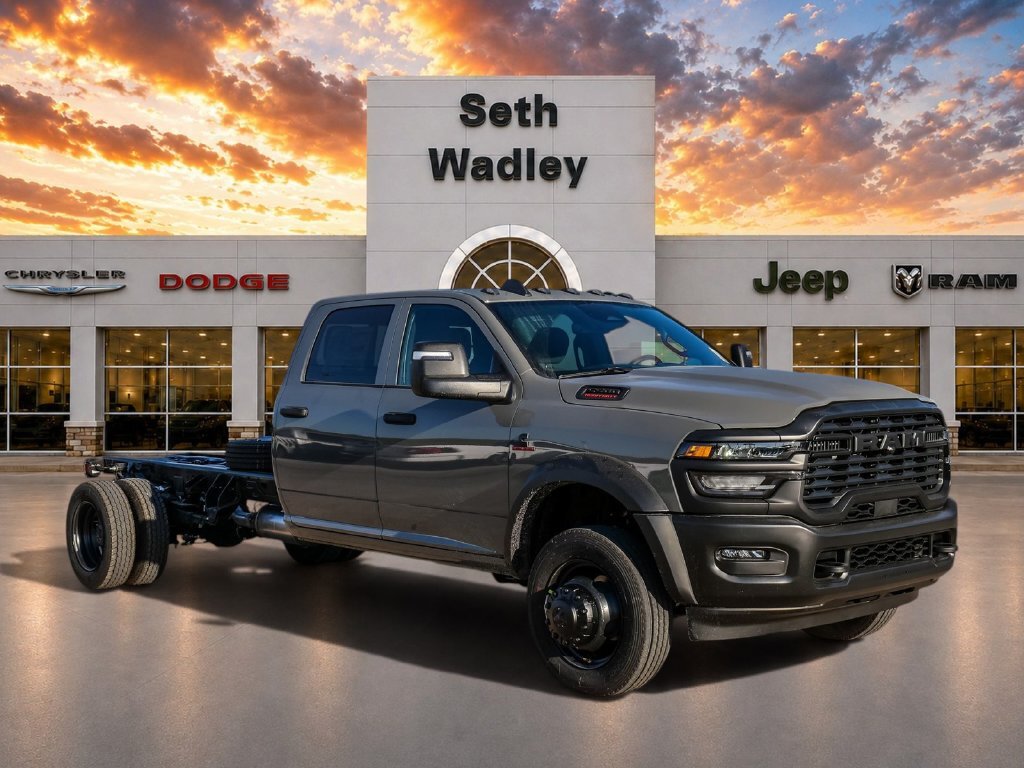
Request separate identification of the chassis, body, storage, hitch equipment and other additions. Have the supplier explain what is installed, what is only proposed, and what verification is required before the vehicle is ready for the intended job.
Ask about completion timing and service support for the chassis and body. For a South Texas business purchasing in Oklahoma, confirm where post-sale support will be obtained and how any transport or handoff will be arranged. Do not assume a website inquiry creates a reservation, a completed upfit or a guaranteed delivery date.
Use a one-page purchase brief
Include crew count, normal tool list, material loads, trailer details, access constraints, required equipment and intended start date. Mark estimates as estimates. A clear brief gives the seller something concrete to evaluate and makes competing proposals easier to compare.
Is a larger truck always the better landscaping choice?
No. Start with documented requirements and then consider access, equipment arrangement and the complete cost of the proposed configuration.
Does a chassis-cab listing include a work body?
Not necessarily. Ask what is physically installed and what would require a separate purchase or build.
What is the most useful first step?
Create the full crew-and-equipment list and obtain accurate trailer information before comparing stock numbers.
Find a truck around your actual workday
Explore commercial inventory, chassis cabs and Ram HD pickups. Send your purchase brief to Seth Wadley CDJR of Pauls Valley and confirm the vehicle's location and available equipment before visiting.
Buyer guidance reviewed October 10, 2026. Verify individual vehicle equipment and condition; follow applicable manufacturer, upfitter and equipment instructions.
