

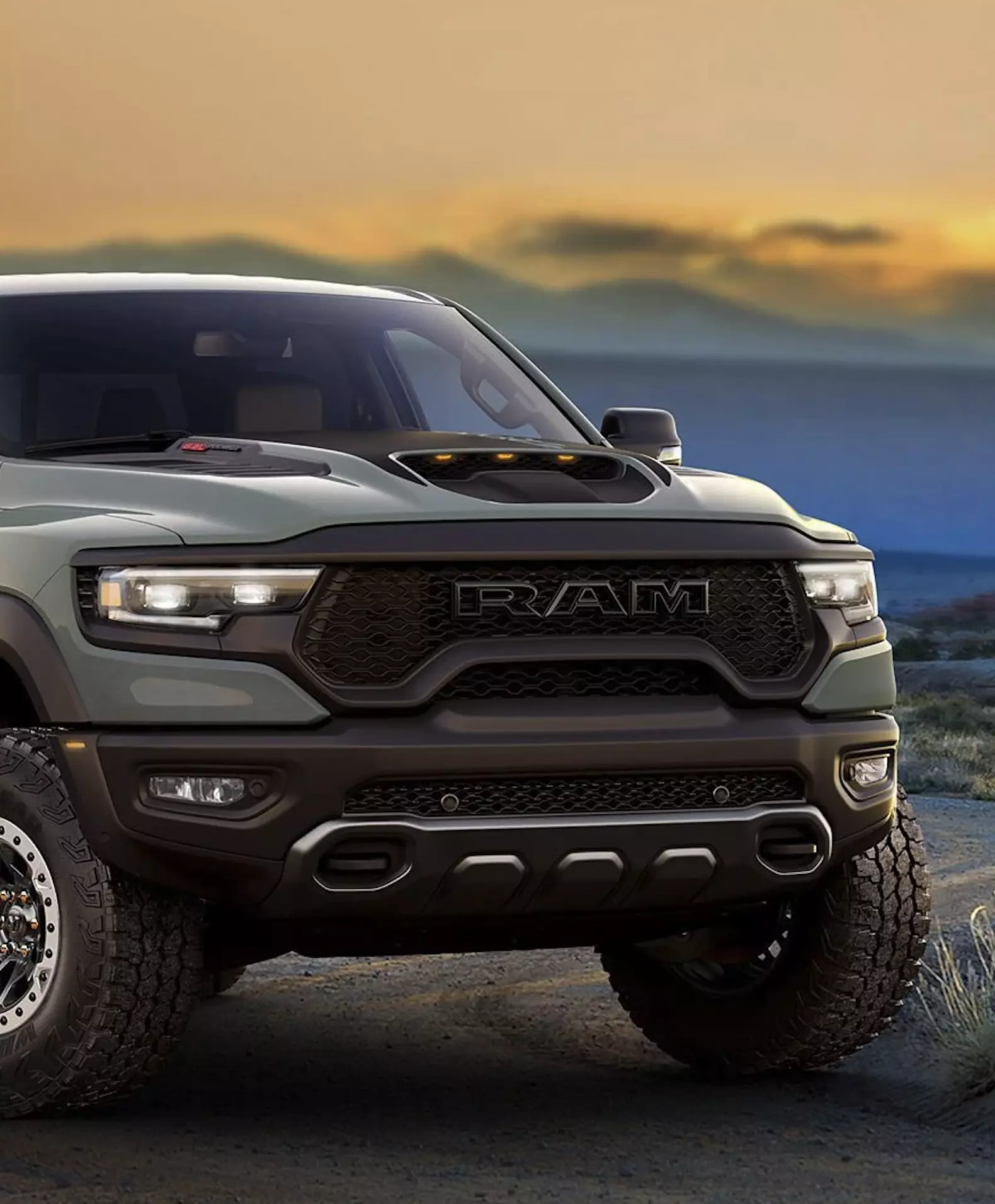
For a business considering a Ram work truck, tax planning begins with the facts of the purchase and use. IRS Publication 946 lists a $2,560,000 maximum Section 179 deduction for tax years beginning in 2026, reduced when qualifying property placed in service exceeds $4,090,000. These limits apply across qualifying business property, not separately to each truck.
Give your adviser the complete vehicle
Provide the VIN, weight-rating information, cab and cargo configuration, factory sticker, and any body or equipment invoices. A Ram 1500, heavy-duty pickup, and commercial chassis may require different analysis. Do not rely on a badge or trim name as proof of a tax classification.
Describe how it will be used
Section 179 generally requires more than 50% business use for mixed-use property, and a business-income limit and other requirements apply. Explain who will own the vehicle, who will drive it, and what work it performs. Personal miles remain relevant even when a company buys the truck.
Plan the timing and cash flow
Ask Seth Wadley CDJR of Pauls Valley for the purchase documents and expected delivery or installation schedule. Your tax professional should determine eligibility, elections, and the treatment of the final transaction. A deduction reduces taxable income; it does not pay the loan or reimburse the entire purchase. Choose productive equipment and a budget that work for the business before counting a tax benefit.
Reviewed November 7, 2026. General federal tax information; consult your tax professional about your business, vehicle, elections and state treatment. See IRS Publication 946 and contact our team for vehicle details.
What should I give my tax adviser before buying a Ram work truck?
Provide the proposed purchase agreement, VIN, manufacturer weight rating, cab and cargo configuration, equipment invoices and expected service date. Describe ownership, drivers and actual business use. Your adviser must evaluate the limits and elections for your circumstances; a business purchase alone does not establish a full deduction or remove the vehicle's cash-flow costs.
Explore current commercial vehicles and request a vehicle-specific quote.
