

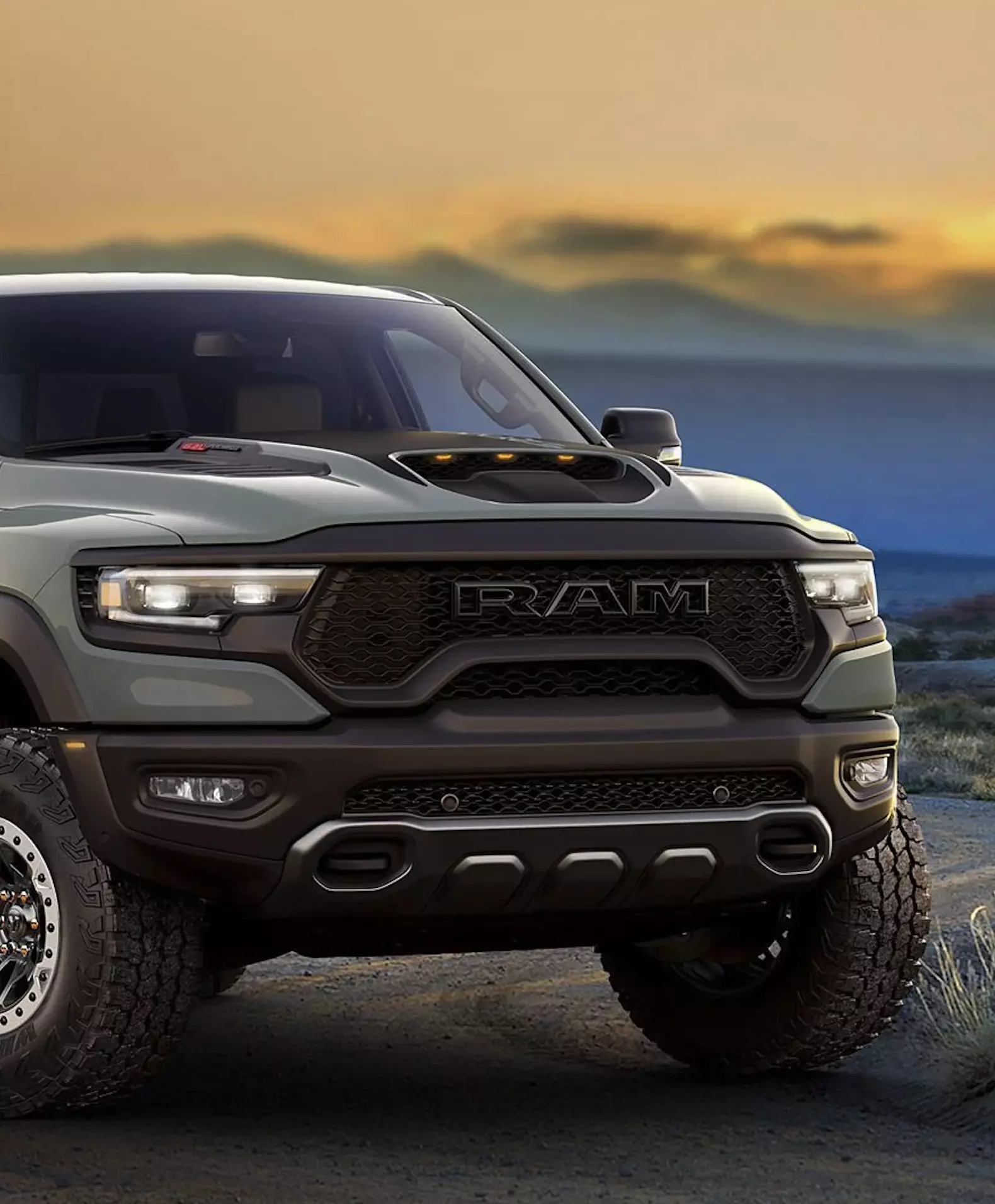
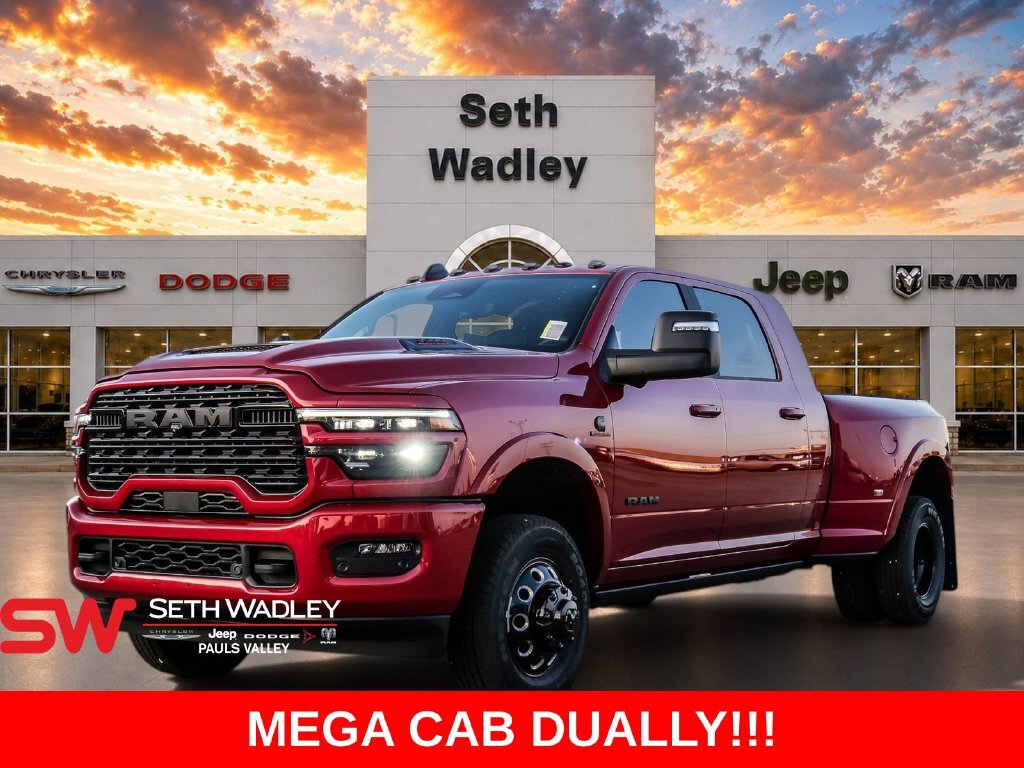
Choose between a single-rear-wheel Ram 3500 and a dually by confirming the loaded job first, then comparing everyday fit. A single-rear-wheel truck has one wheel on each side of the rear axle; a dual-rear-wheel truck has a pair on each side. That visible difference is only the beginning of the buying decision.
Ram identifies the 3500 as available in single- and dual-rear-wheel configurations. Its published maximum capability figures apply to specific equipment combinations, not every 3500. Use the Ram truck buying guide and Ram 3500 information, then verify the individual truck.

Start with the trailer's loaded information
Record the trailer, hitch type and actual intended loaded weight. Include the load the trailer places on the truck and the people and equipment that travel with it. A fifth-wheel, gooseneck and conventional trailer should not be evaluated by borrowing whichever advertised number is largest.
Ask a qualified person to review the complete combination. The appropriate truck, axle, tire, hitch and trailer limits all matter. A dual-rear-wheel appearance does not automatically approve any particular trailer.
Compare specific stock numbers, not generic model labels
Record the year, engine, cab, bed, drive type, installed equipment and applicable ratings for each candidate. Keep the rear-wheel choice as one column in that comparison. Other configuration differences can affect the suitability of the completed truck.
Ask how any added bed equipment, toolbox or hitch has been accounted for. Do not subtract or add loads twice, and do not assume a payload number from a different vehicle applies. Resolve missing information before treating the truck as suitable for your intended use.
Measure daily access and parking
Record the width and usable space at your garage, work yard and regular parking locations. Check the actual vehicle's dimensions, including mirrors and bodywork, rather than assuming all 3500 trucks have the same footprint.
During a permitted test drive, evaluate visibility and ordinary maneuvering on an appropriate route. Consider where the truck must travel without a trailer as well as where it works loaded. A setup that meets the load requirement still needs a practical place in your daily routine.
Include tires and service in the ownership comparison
Identify the correct installed tire specification and ask about replacement and service needs for the configuration. A dually has an additional pair of rear tires to account for compared with a single-rear-wheel truck. Request actual estimates instead of assuming a fixed annual cost difference.
Review inspection and maintenance instructions for the vehicle and tire arrangement. Do not assume that an extra rear tire makes a damaged tire acceptable or permits continued travel with an unsafe setup. Follow the applicable instructions and professional advice.
Compare unloaded comfort without confusing it with capability
Evaluate seating, ride, noise and access on an agreed route. Describe your preferences honestly: a truck can suit a demanding job while requiring compromises you would not choose for transportation alone.
A pleasant unloaded test drive does not establish towing performance, and a firm ride does not prove a truck has more usable capacity. Keep your comfort assessment separate from the documented rating review.
Add condition evidence when shopping used
For a pre-owned example, request available service records, vehicle-history information and an appropriate independent inspection. Include tires, wheels, hitch equipment and modifications in the discussion. Have the inspector explain findings and unresolved questions in writing.
Compare the purchase proposal with the work needed to meet your intended use. A truck already equipped with a hitch or other accessory is not automatically a complete match; verify the equipment, its condition and what is included in the sale.
Common single-rear-wheel and dually questions
Does choosing a diesel mean I must choose a dually?
Do not use engine preference as a substitute for checking offered and available configurations. Ask which exact trucks meet your workload and verify their engine and rear-wheel arrangement.
Is a dually always the better purchase?
No. First establish which candidates satisfy the load requirements. Then compare parking, routine use, equipment and ownership costs. Avoid buying by appearance or model number alone.
What information helps the dealership?
Send trailer details, your usual passengers and equipment, and any parking constraints. Browse new Ram 3500s and used Ram 3500s, then contact Seth Wadley CDJR of Pauls Valley with the stock numbers you want to compare.
Reference date: October 10, 2026. General buying guidance, not a mechanical inspection, engineering recommendation or individual towing approval. Follow applicable manufacturer and upfitter instructions. Inventory may include other group locations.
